Data Mapping Redesign for Enterprise Integration Platform
Reduced mapping time by 83% and eliminated engineering dependency by transforming syntax-based mapping into a business-readable transformation system.
Role
UI/UX designer
Timeline
4 weeks
Ownership
End-to-end Redesign
Team
Akhil Kooliyatt (Product Architect)
Harikrishnan AU (Product Manager)
Sumethan B (Engineer)
Context
Our flagship no-code platform enables business users to build enterprise apps without coding. However, the data mapping feature relied on writing JSLT code, making it inaccessible for non-technical users.
Problem
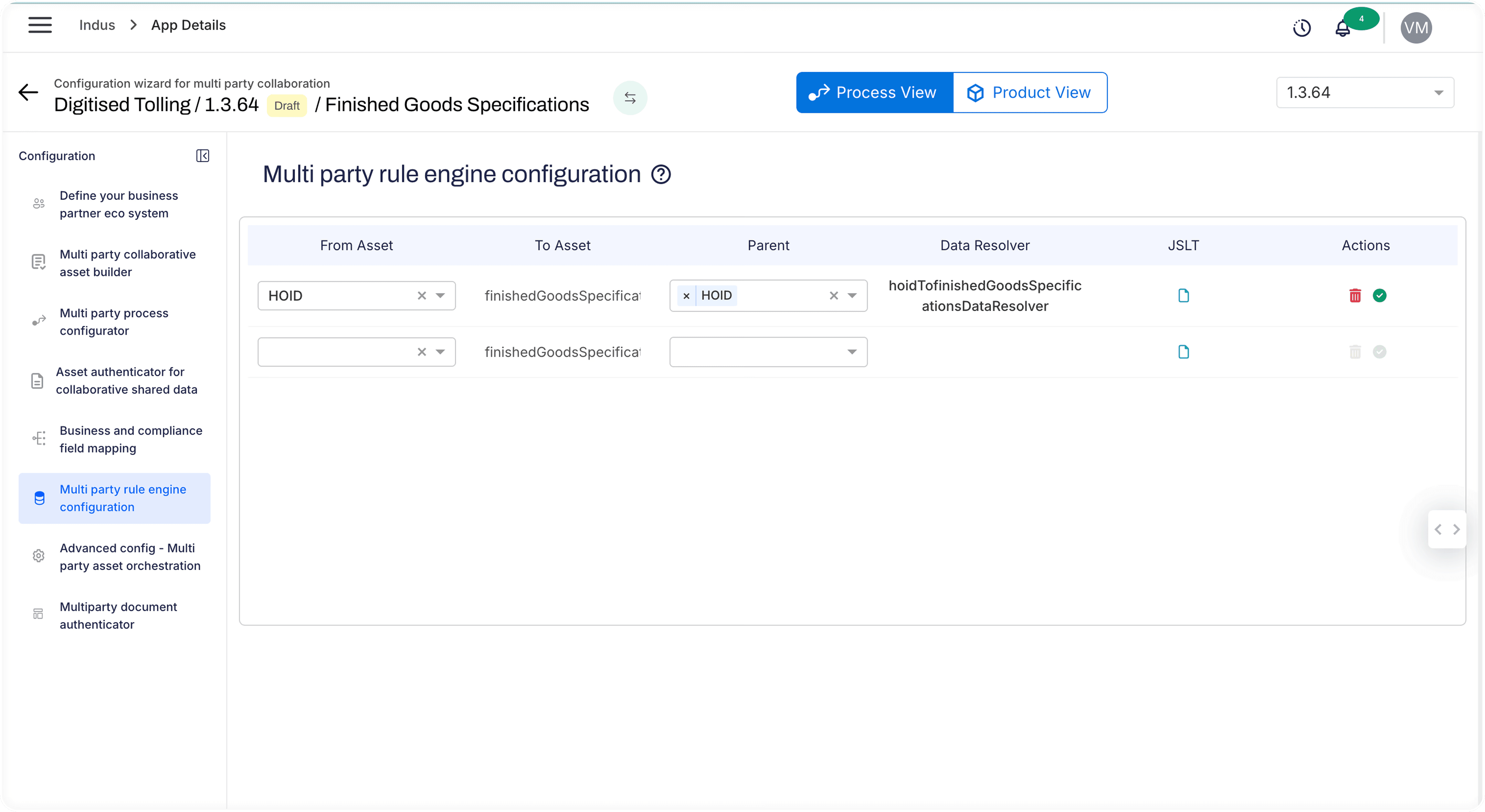
Users avoided the feature because it required manual scripting in JSLT.
Mapping data between entities felt complex and error-prone.
Business users needed a more intuitive, visual approach.
Goal
Design a transformation visibility model that allows business users to understand mapping logic without writing JSLT.
My role and ownership
Role: UX Designer
Key actions
Interviewed business users, support, and dev teams to understand pain points.Interviewed business users, support, and dev teams to understand pain points.
Synthesized insights with AI-assisted affinity mapping.
Sketched 40+ ideas; iterated through low-fi prototypes.
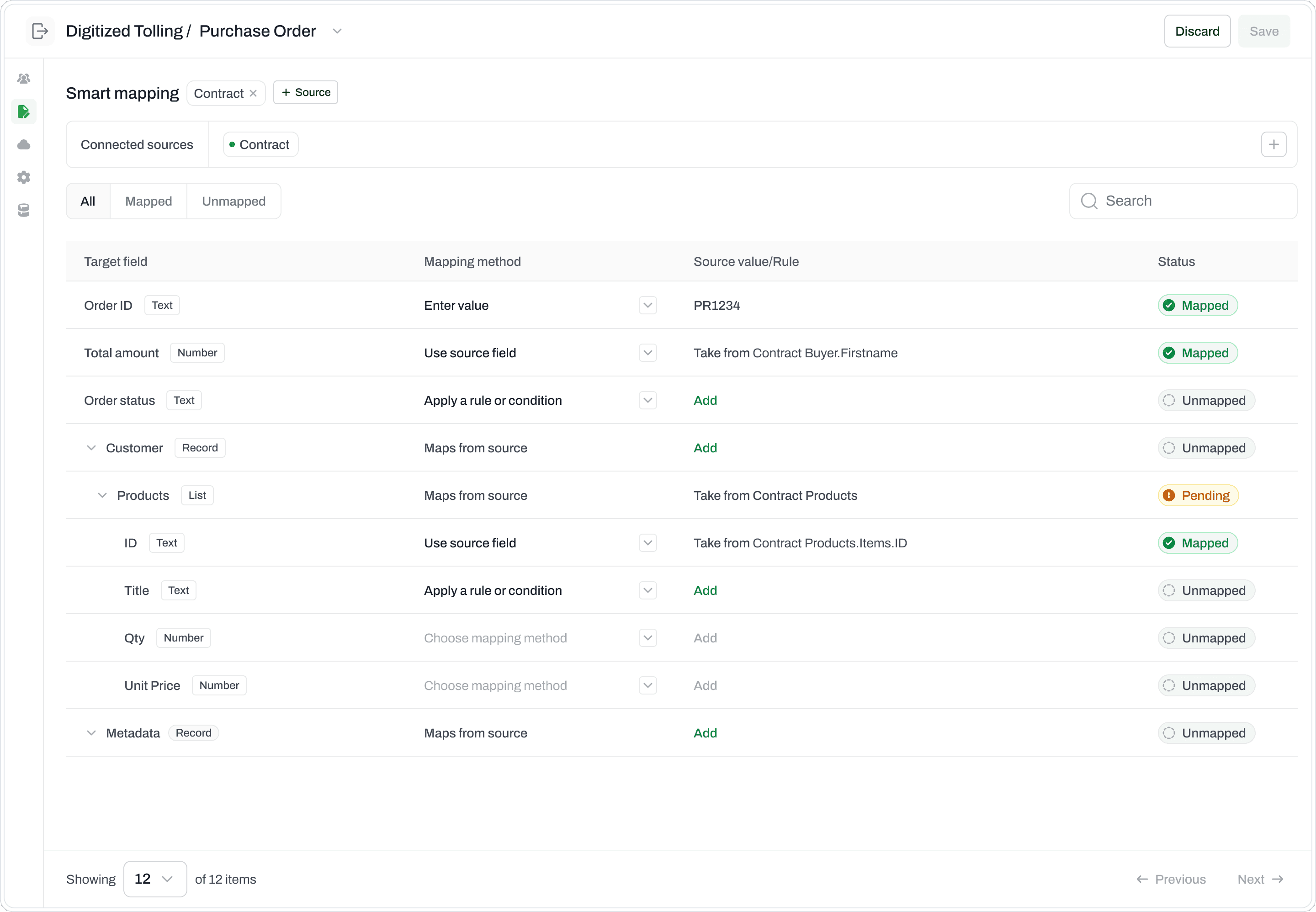
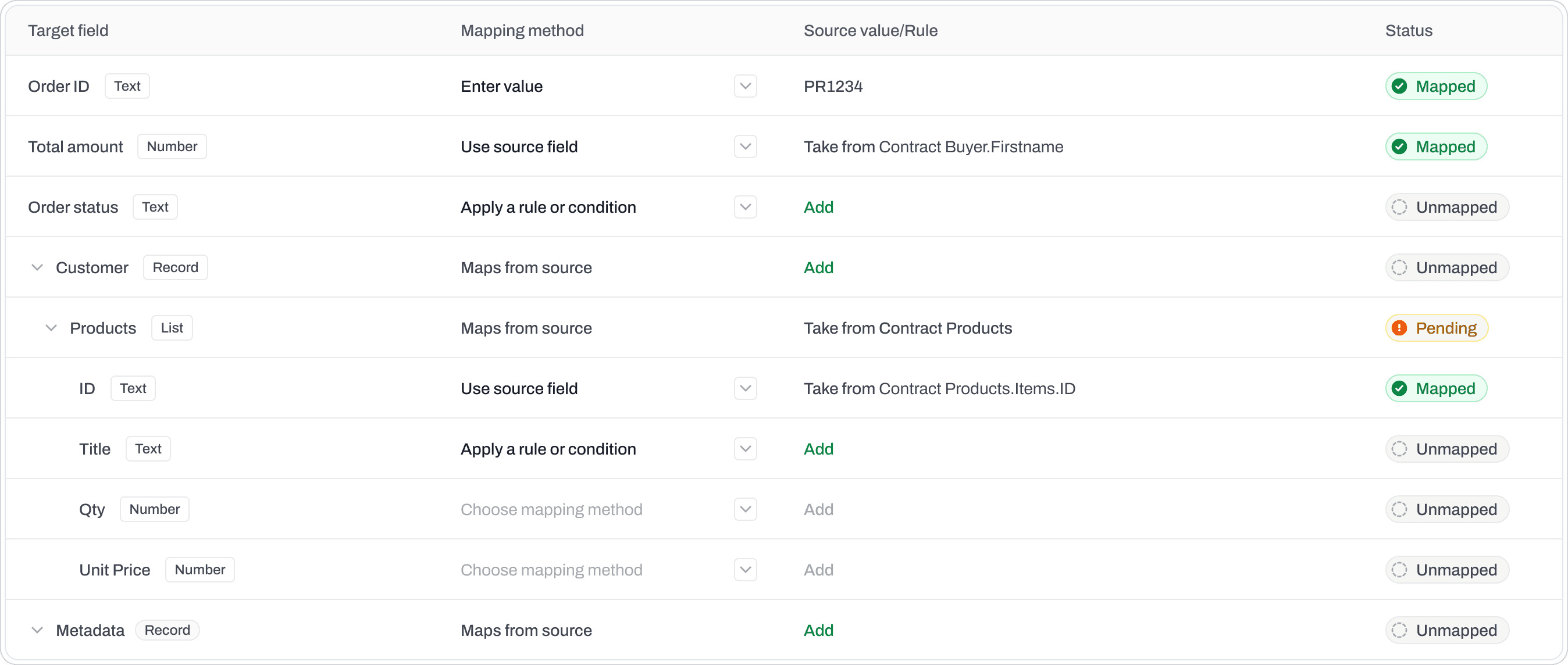
Designed a table-based visual mapping interface.
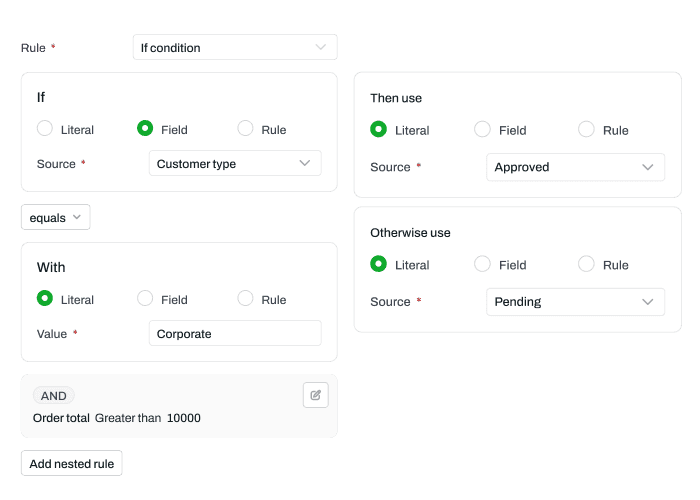
Introduced a plain-English rule builder to replace JSLT scripts.
Design Tradeoff
Canvas vs Structured Mapping
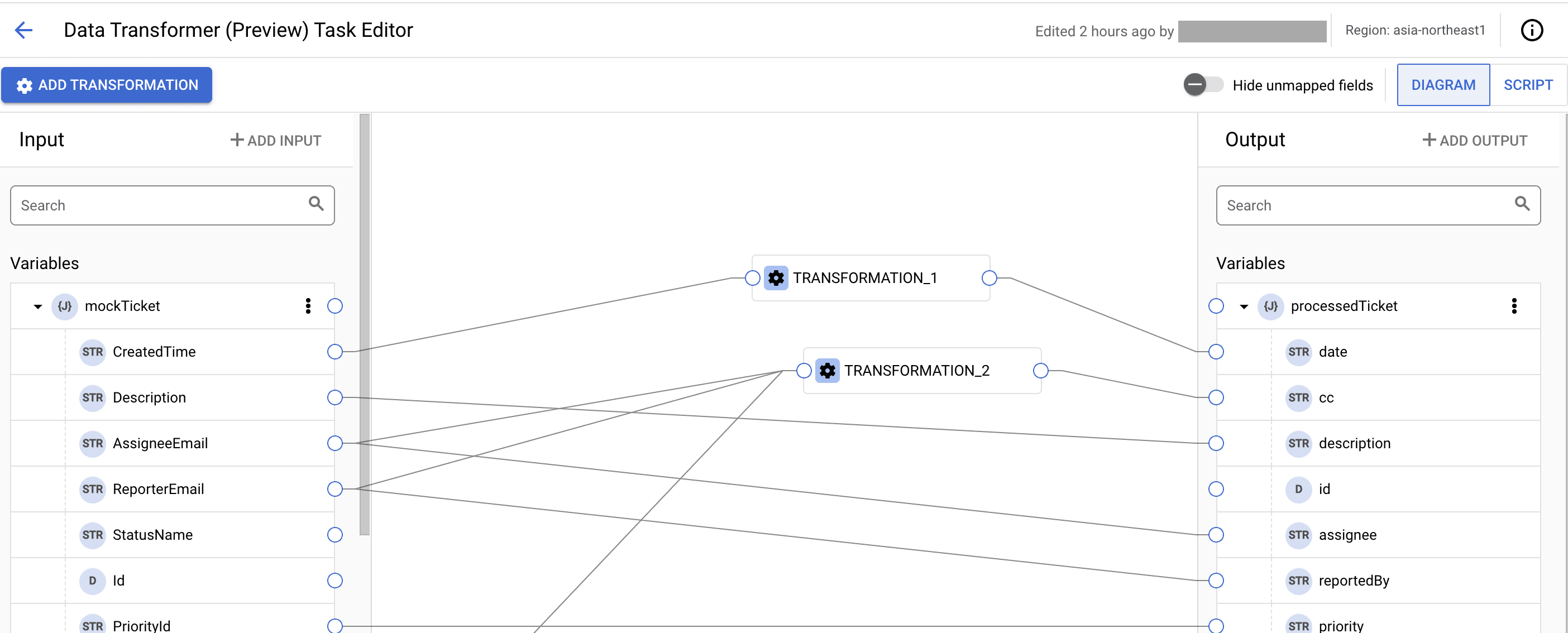
Canvas mapping worked at small scale but collapsed beyond ~40 fields due to visual density and navigation overhead. I replaced spatial mapping with tabular cognition aligned to how users already interpret structured transformations.
Vs
Key design decisions
Table-Based Mapping Model
Mapping moved from code representation to structured tabular logic. Users could scan mappings quickly, understand transformation relationships, and navigate large datasets without visual overload. This aligned mapping interaction with how business users already reason about structured transformations in spreadsheets and configuration tables.
Plain-English Rule Builder
JSLT logic replaced with readable transformation expressions. Users could define conditions, apply functions, and preview transformations without writing code.
Transformation Visibility Model
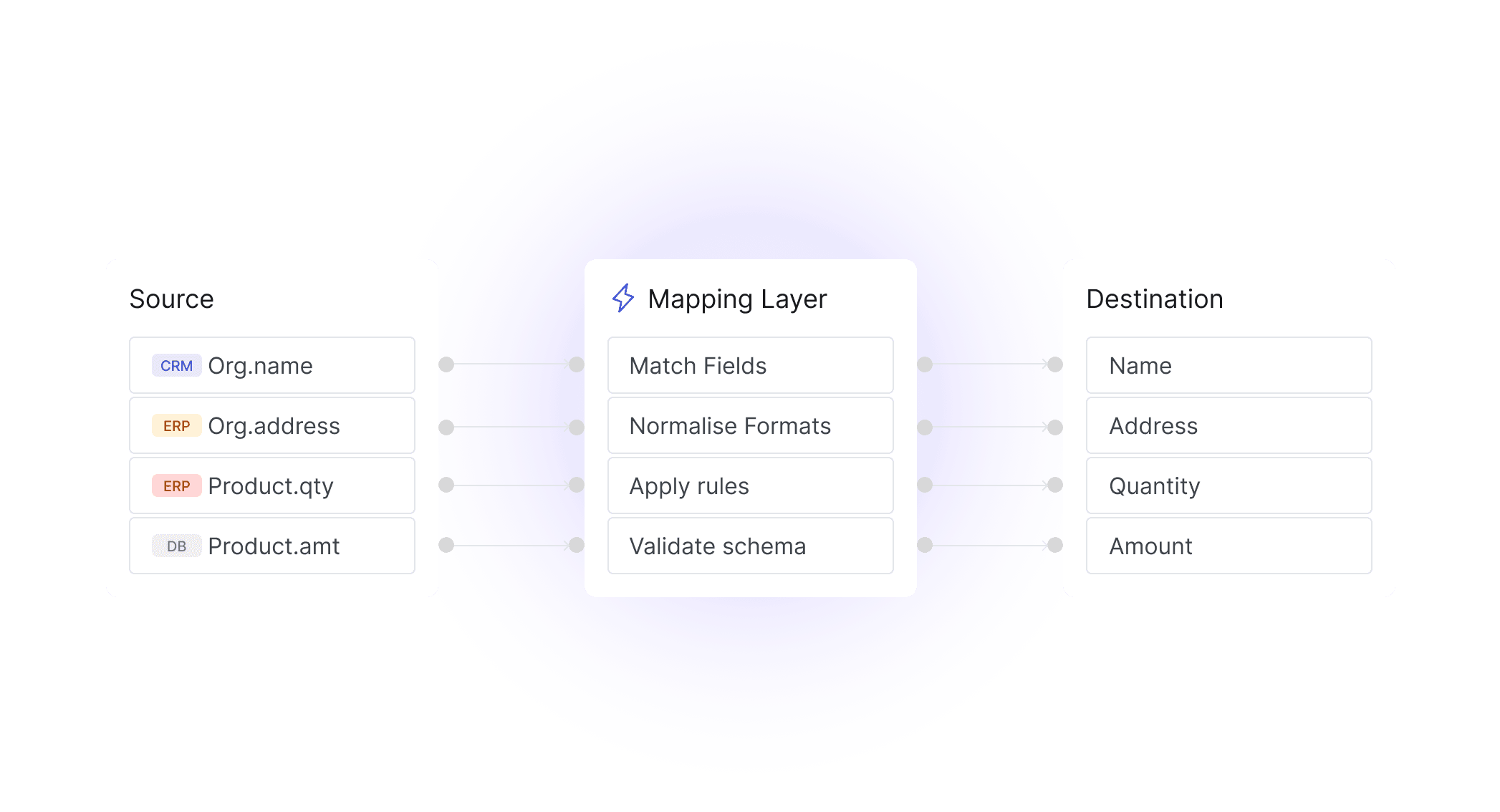
Directional hierarchy clarified transformation flow from source to transformation to destination.
Users could understand transformation behavior before deployment instead of after failure.

Impact
83%
Mapping time reduced
64%
Mapping errors reduced
0
Engineering dependency
100%
Business user adoption
Reflection
Transformation tools often expose implementation logic instead of decision logic. By restructuring mapping around readability rather than syntax flexibility, this feature shifted configuration ownership from engineering teams to business users.
More projects




Copyright © 2026
Take me to the top